
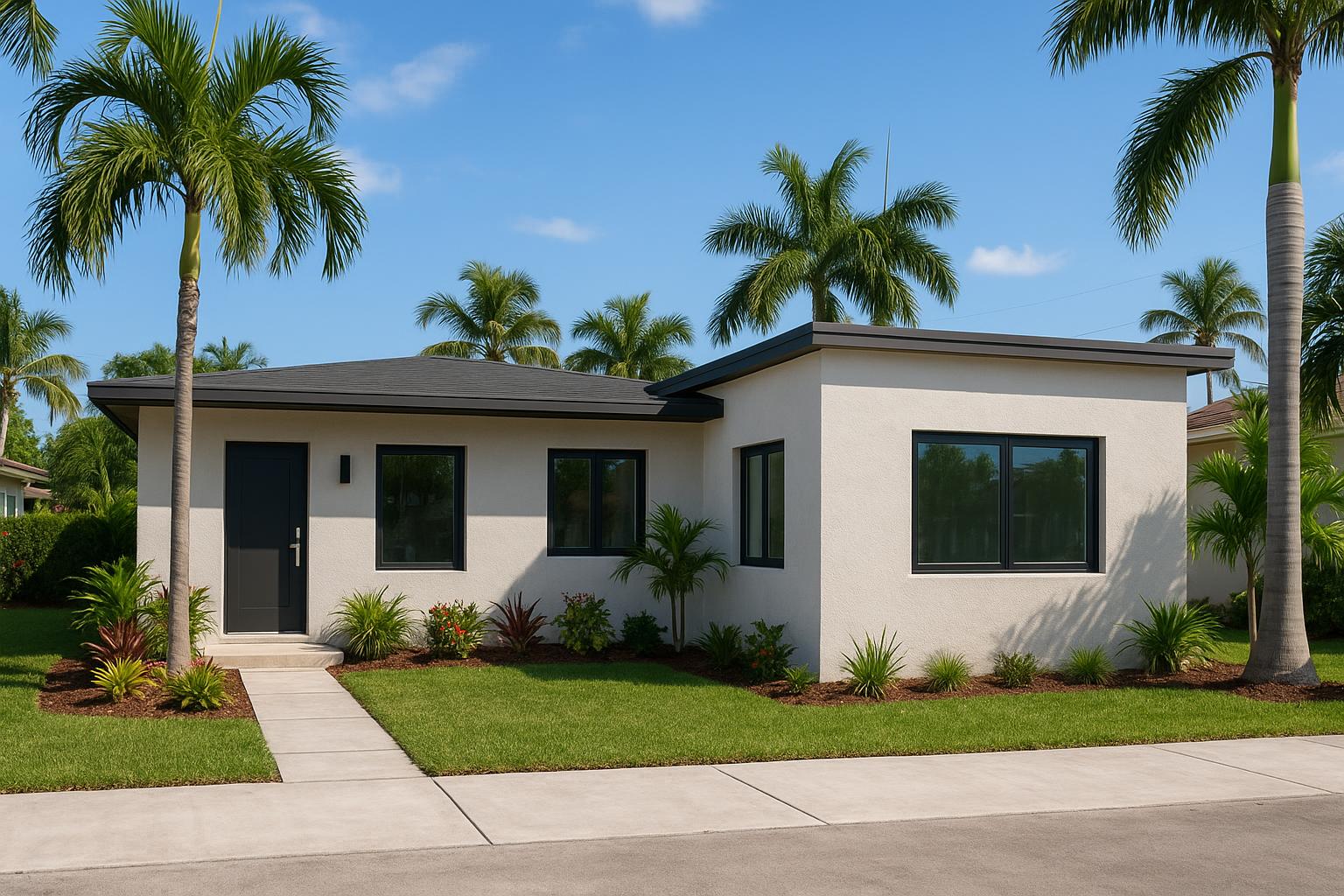
Why Miami Homeowners Are Adding Rooms Instead of Moving
Miami's real estate market has been fiercely competitive for years. Between rising home prices, limited inventory, and the emotional attachment many families have to their neighborhoods, it's no surprise that more homeowners are choosing to expand their current homes rather than start the house-hunting process all over again.
A well-planned room addition can give you the extra space you need — whether it's a new bedroom for a growing family, a home office for remote work, or an in-law suite for aging parents — all while increasing your property value. But room additions are also one of the most complex remodeling projects you can take on. Without proper planning, they can quickly become stressful and expensive.
At Independence Building Contractors, we've helped homeowners across Miami, Coral Gables, Kendall, and surrounding communities navigate room additions from the first sketch to the final walkthrough. Here's what you need to know before you break ground.
Step 1: Define the Purpose of Your Addition
Before you think about square footage or finishes, get crystal clear on why you need the extra space. This single decision will shape every choice that follows — layout, location on the lot, plumbing and electrical requirements, and budget.
- Extra bedroom: Ideal for growing families or to boost resale value in Miami's competitive market.
- Home office or studio: Remote work isn't going anywhere, and a dedicated workspace can improve productivity and quality of life.
- In-law suite or accessory dwelling unit (ADU): Multigenerational living is increasingly common in South Florida, and a private suite with its own entrance, bathroom, and kitchenette can be a game-changer.
- Expanded living area: Sometimes you just need a bigger family room, a sunroom, or an entertainment space that opens to the backyard.
Once you know the purpose, share it with your contractor early. A good remodeling team will help you design a space that serves that purpose efficiently without over-building.
Step 2: Understand Miami's Permitting and Zoning Requirements
This is where many DIY planners get tripped up. Miami-Dade County has specific zoning codes, setback requirements, and building regulations that dictate what you can and cannot build on your property. Ignoring them isn't just risky — it's illegal, and unpermitted work can create serious problems when you try to sell your home later.
Key things to check before you start:
- Setback requirements: How close your addition can be to property lines, streets, and easements.
- Lot coverage limits: The maximum percentage of your lot that can be covered by structures.
- Height restrictions: Especially relevant if you're considering a second-story addition.
- Flood zone classification: Many Miami properties fall within FEMA flood zones, which affects foundation requirements and insurance.
- HOA rules: If you live in a community with a homeowners association, there may be additional architectural review requirements.
An experienced local contractor will handle the permitting process for you, but it helps to understand the basics so you can set realistic expectations for your timeline.
Step 3: Set a Realistic Budget
Room additions in Miami typically range from $150 to $350+ per square foot, depending on the complexity of the project, the finishes you choose, and whether the addition requires new plumbing, electrical, or HVAC work. A simple 200-square-foot bedroom addition will cost significantly less than a 400-square-foot in-law suite with a full bathroom and kitchenette.
Budget tips that actually help:
- Get at least three detailed estimates from licensed contractors. Compare scope of work, not just price.
- Add a 10-15% contingency fund. Unexpected issues — old wiring, hidden water damage, permit delays — happen on almost every project.
- Prioritize structural quality over cosmetic upgrades. You can always upgrade countertops or light fixtures later, but the foundation, framing, and roof need to be done right the first time.
- Ask about financing options. Many homeowners in Miami use home equity lines of credit (HELOCs) or renovation loans to fund their additions.
Being upfront about your budget with your contractor allows them to design a solution that meets your needs without cutting corners where it matters most.
Step 4: Design for Miami's Climate
Building in South Florida isn't like building anywhere else. The subtropical climate, hurricane season, and intense sun exposure all need to be factored into your room addition's design and materials.
- Hurricane-rated windows and doors: Required by code in Miami-Dade County, impact-resistant products protect your home and can lower your insurance premiums.
- Proper insulation and ventilation: Miami's heat and humidity demand energy-efficient insulation and well-designed HVAC integration to keep your new space comfortable year-round.
- Moisture-resistant materials: From moisture-barrier drywall to mold-resistant paint, choosing the right materials prevents costly problems down the road.
- Seamless roofing integration: The connection between your existing roof and the new addition is one of the most critical details. Poor integration leads to leaks, especially during heavy summer rains.
A contractor who understands Miami's unique building environment will address these factors as standard practice, not as afterthoughts.
Step 5: Choose the Right Contractor
Your room addition is only as good as the team building it. Here's what to look for when choosing a remodeling contractor in Miami:
- Valid Florida contractor's license and insurance. Verify both before signing anything.
- Experience with room additions specifically. General remodeling experience is great, but additions involve structural engineering, foundation work, and code compliance that not every contractor handles regularly.
- A clear, written contract that outlines the scope of work, payment schedule, timeline, and warranty.
- References and a portfolio of completed projects. Ask to see additions they've completed in neighborhoods like Doral, Hialeah, or Miami Beach — local experience matters.
- Good communication. You'll be working with this team for weeks or months. Choose people who return calls, explain things clearly, and keep you informed.
How Long Does a Room Addition Take?
Most room additions in Miami take between 8 and 16 weeks from permit approval to completion. The timeline depends on the size and complexity of the project, material availability, inspections, and weather. Second-story additions and projects requiring significant structural work will naturally take longer.
The permitting process itself can add 4 to 8 weeks before construction even begins, so plan accordingly. Starting the design and permitting process early — especially before hurricane season — can help you avoid weather-related delays.
Ready to Expand Your Miami Home?
A room addition is one of the smartest investments you can make in your home, but only when it's planned carefully and built by professionals who know what they're doing. From navigating Miami-Dade County permits to designing for hurricane resilience, every detail matters.
At Independence Building Contractors, we guide Miami homeowners through every phase of the room addition process — from initial consultation and design to permitting, construction, and final inspection. If you're ready to add the space your family needs, contact us today for a free consultation and let's start planning your project the right way.